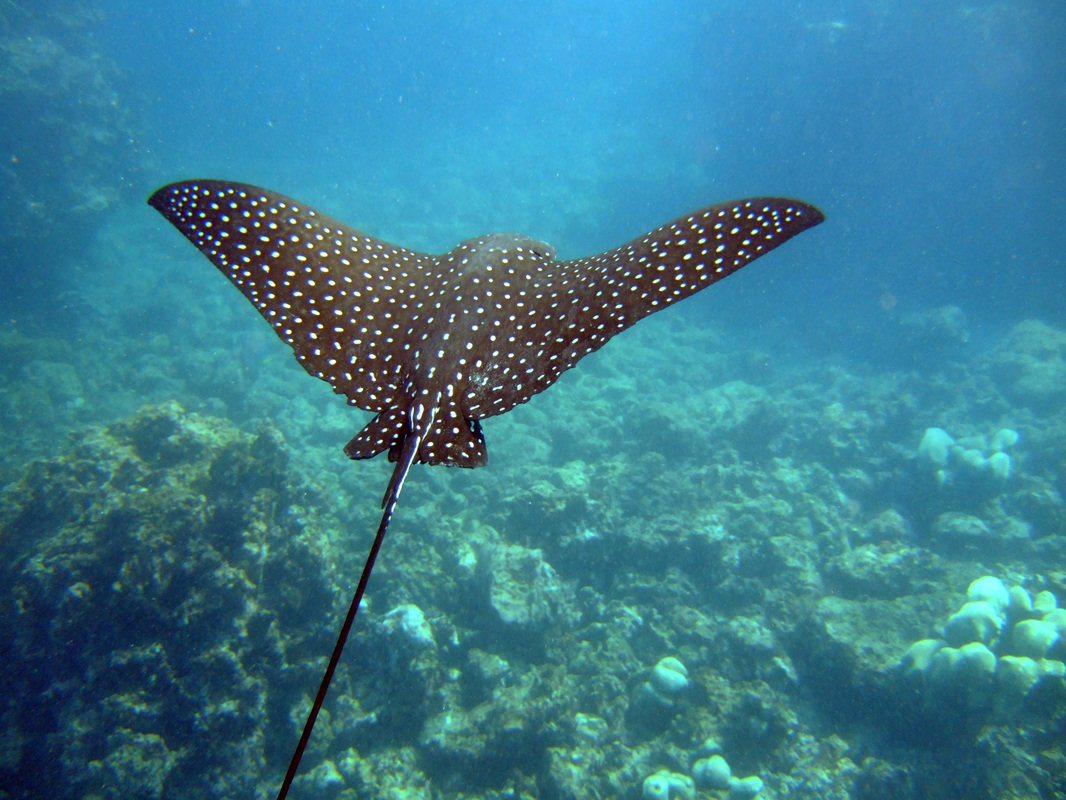
Habitat/LifestyleMost live in marine habitats all their lives, but a few species of sharks and rays live in freshwater during all or part of their lives. They are found in nearly all aquatic ecosystems and depths, except the most extreme conditions. Cartilaginous fishes are carnivorous and most species feed on live prey. There are some that feed on the remains of dead animals and still others that are filter feeders.
|
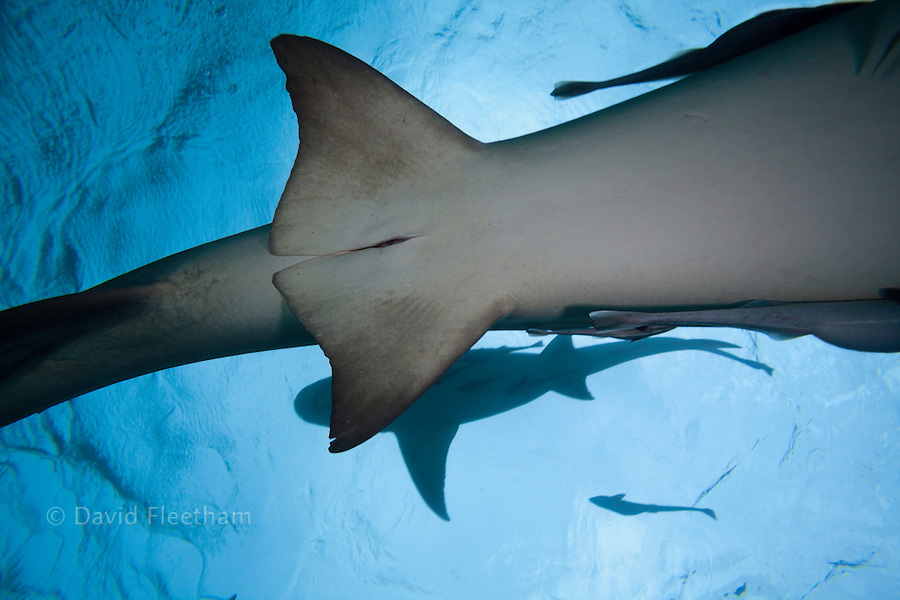
Feeding/DigestionThey are scavengers and carnivores, while some large species are filter feeders. There is typically a pharynx, esophagus, stomach, and intestine emptying out through cloaca. A pancreas and liver secrete digestive juices and other materials into the intestine. The intestine has a spiral valve to slow the passage of food and allow it extra time to digest.
|
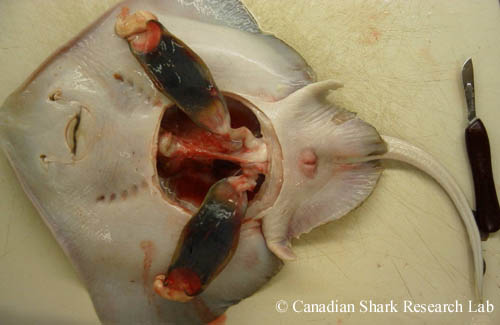
Excretion/ OsmoregulationSharks excrete through the same place where they have sexual intercourse through. They do not have separate opening from excreting and reproduction. The urogenital system is made up of the urinary and reproductive systems. Both the male and female urinary system work similarly. The blood of the shark usually has unequal concentration of solutes within their body as there are in the ocean which they live. So, they maintain osmotic balance with the seawater by holding onto urea.
|
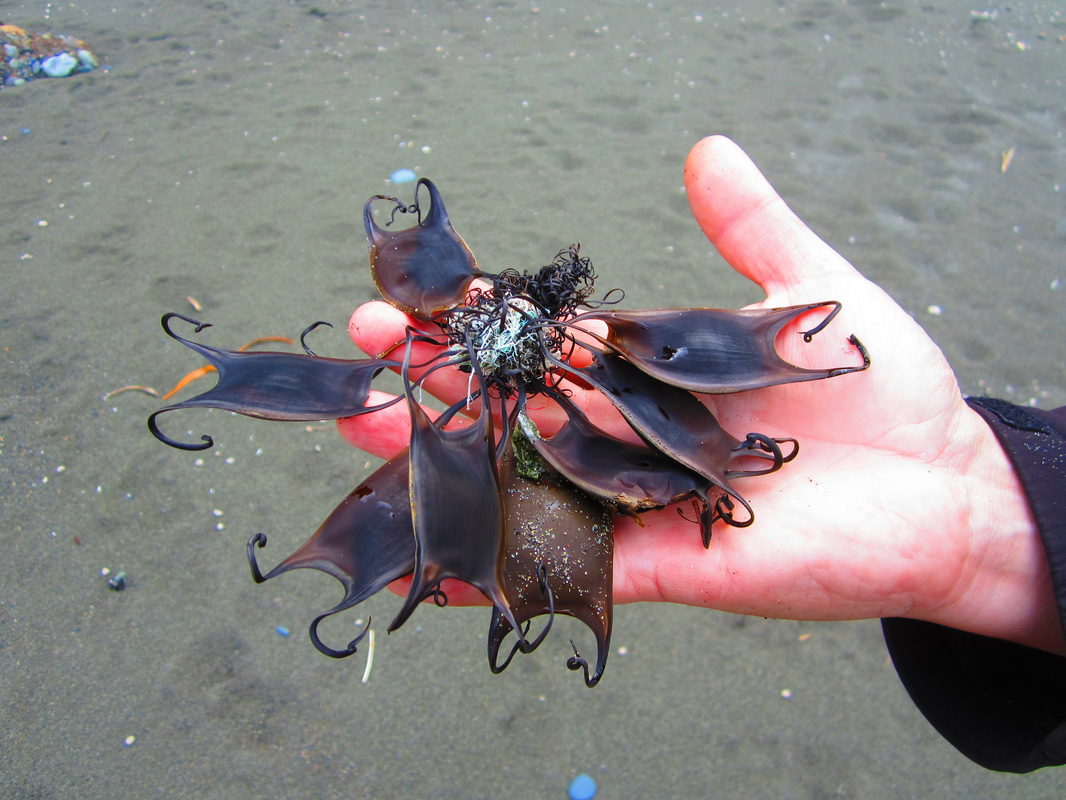
Life History/ReprodutionThey give birth to only a few young after a long gestation period, which grow slowly and reach sexual maturity late. Although their rate of survival is usually high, if populations become depleted rapidly, recovery can be difficult and lengthy.
There are three types of reproduction:
|
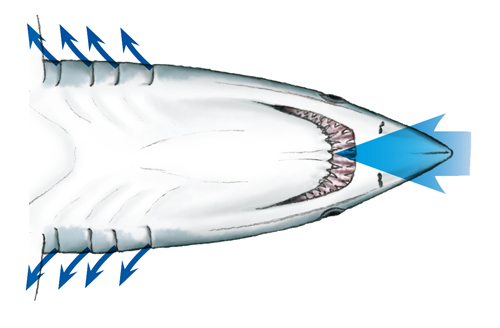
Gas Exchange/RespirationChondrichthyes possess 5-7 pairs of gill slits. The O₂ diffuses into the gills as water passes over them on their way out of the organism's body.
They bring water into their bodies using one of two methods:
|
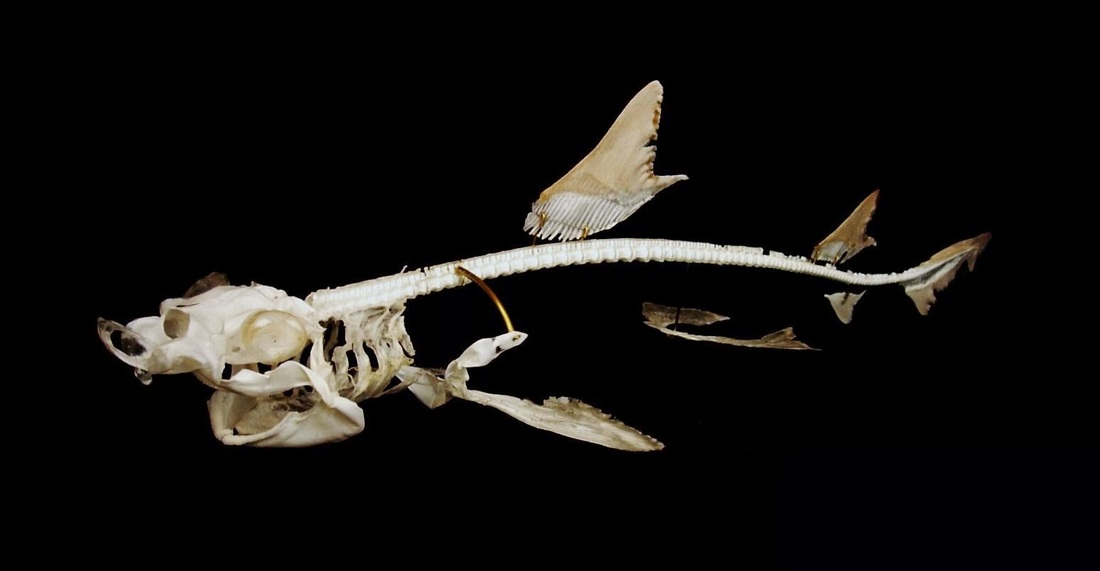
Support/Skeleton
The skeleton of these animals are cartilaginous. The notochord, which is present in the young, is then replaced by cartilage later. Many possess two dorsal fins, one anterior (just behind the head) and another posterior (in front of the tail).
|
Transport/Circulation
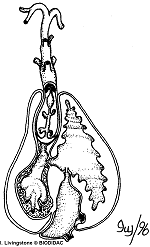
They have a closed circulatory system with a two chambered heart. Blood flows into the heart sand then out to the gills. In the gills, blood picks up oxygen from the water and circulates throughout the body.
|
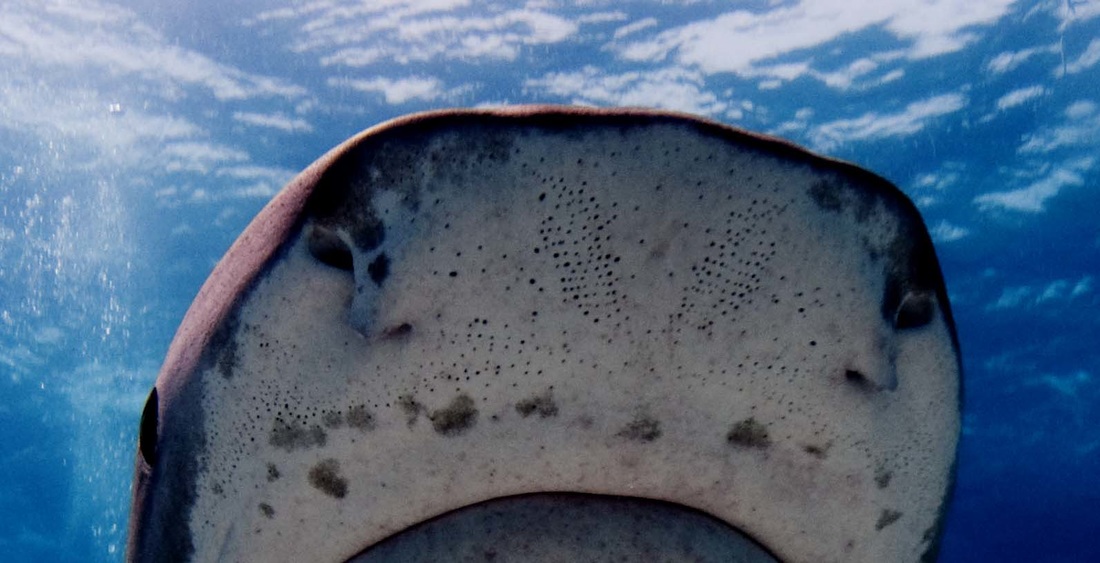
Sensory/Nervous SystemThe eye is the most complex organ of the head and is a lateral out pocketing of the anterior end of the brain tube. It later acquires a lens of epidermal origin. They have a later line system that enables them to sense objects and changes in their environment.
A line of fluid-filled canals running along sides of a fish that enable it to detect movement and vibration in the water. Chondrichthyes can sense electric currents in the water using Ampullae of Lorenzini. Olfactory pits - blind sacs opening to the external environment that contain olfactory receptors. The size varies with fish. |
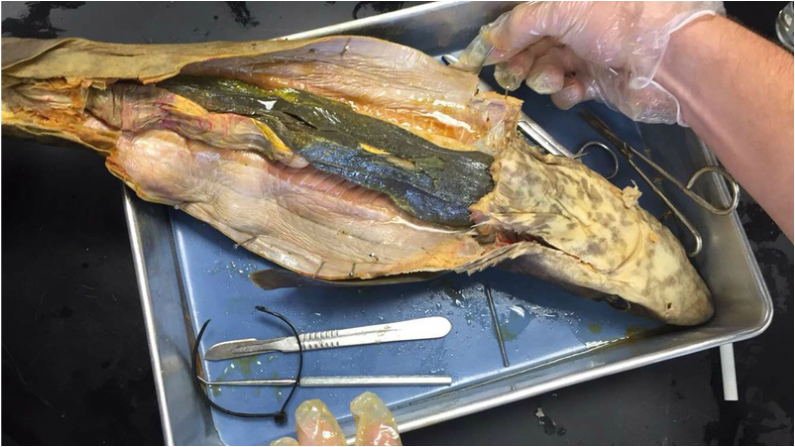
Distinguishing Characteristics
|
|
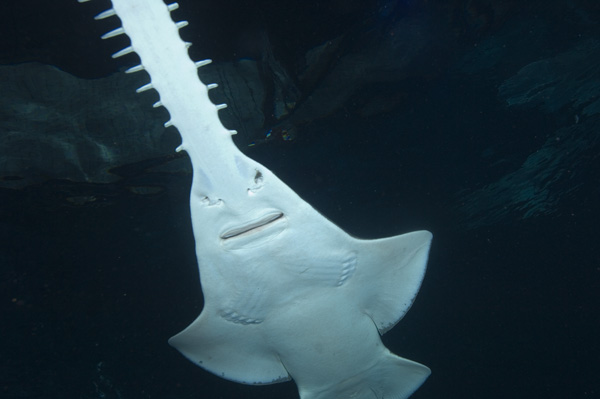
Sharks, Rays, Skates, Sawfish
|
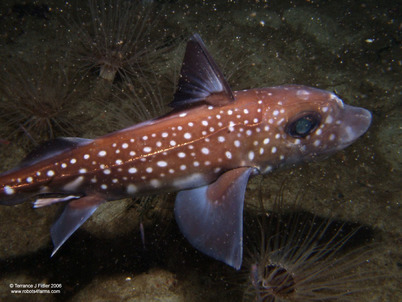
Chimeras
|
|
