Angelena Mangieri
  • Zoology
  • Phylum Porifera
  • Phylum Cnidaria
  • Phylum Platyhelminthes
  • Phylum Nematoda
  • Phylum Annelida
  • Phylum Mollusca
  • Phylum Echinodermata
  • Class Agnatha
  • Class Chondrichthyes
  • Class Osteichthyes
  • Class Amphibia
  • Class Sauropsida
  • AICE Marine Biology
  • Deep Ocean/Benthic Zone
  • Oysters
  • Ecotourism

Phylum Cnidaria

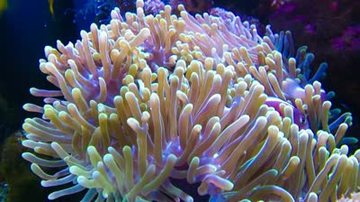
Jellies, Anemones, Coral, Hydra

Picture
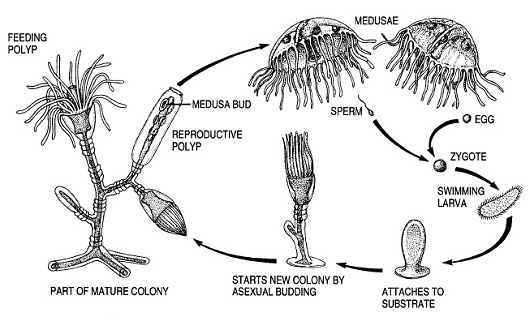
LIFE STAGES

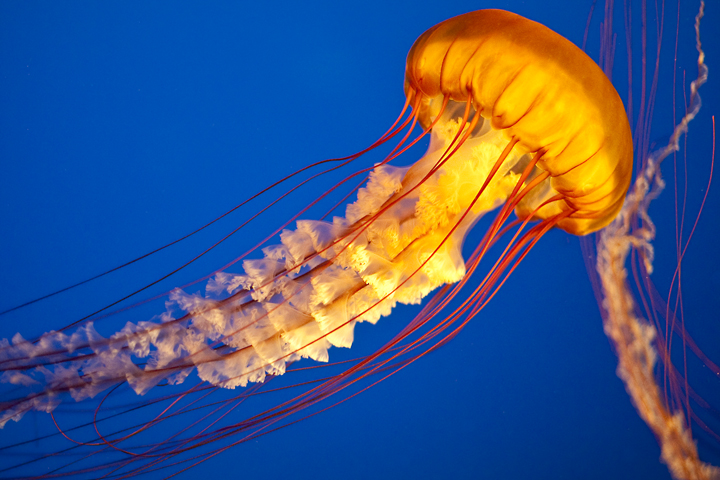
Medusa - the most prominent form of free floating or free                                       swimming
Egg - contains the zygote in which an animal embryo develops             until it can survive on its own
Planula - free swimming coelenterate larva
Polyp - a solitary or colonial, sedentary form of a coelenterate                   such as a sea anemone
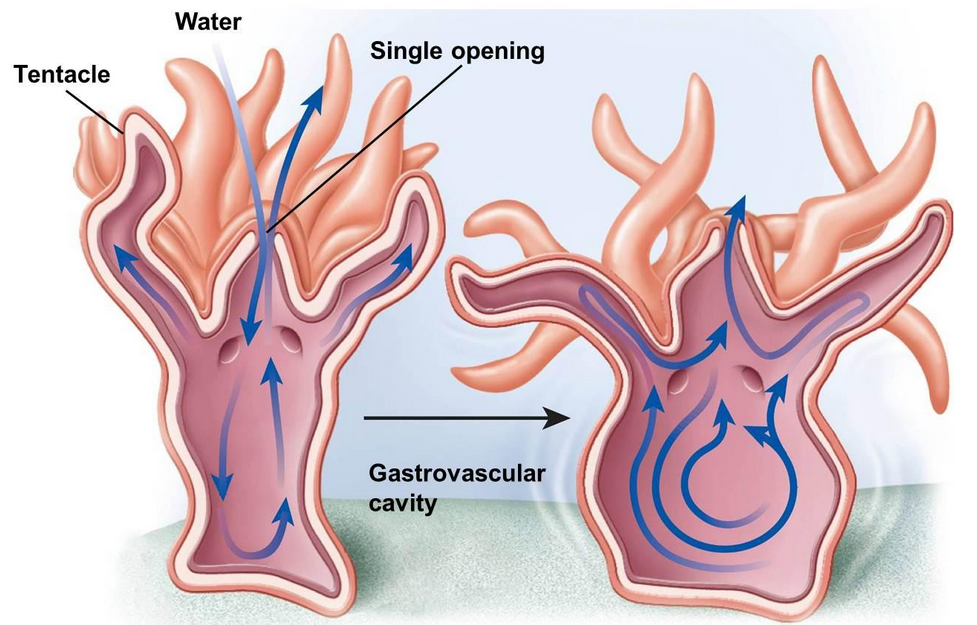
Coelentrate - an aquatic invertebrate animal of a phylum                                     distinguished by having a tube or cupped shaped                         body and a single opening ringed with tentacles

Picture

Habitat

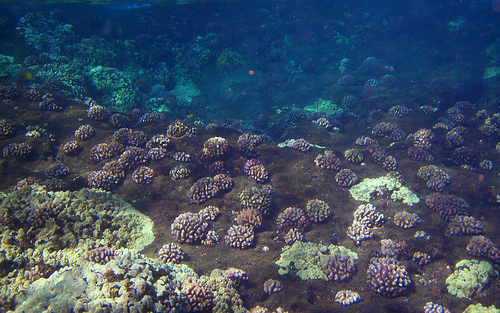
They can live almost anywhere in the ocean and some jellyfish can even live in freshwater. They are free swimming or sedentary and solitary or colonial.
​
Picture

Movement

Polyps are sessile, which means they do not move.
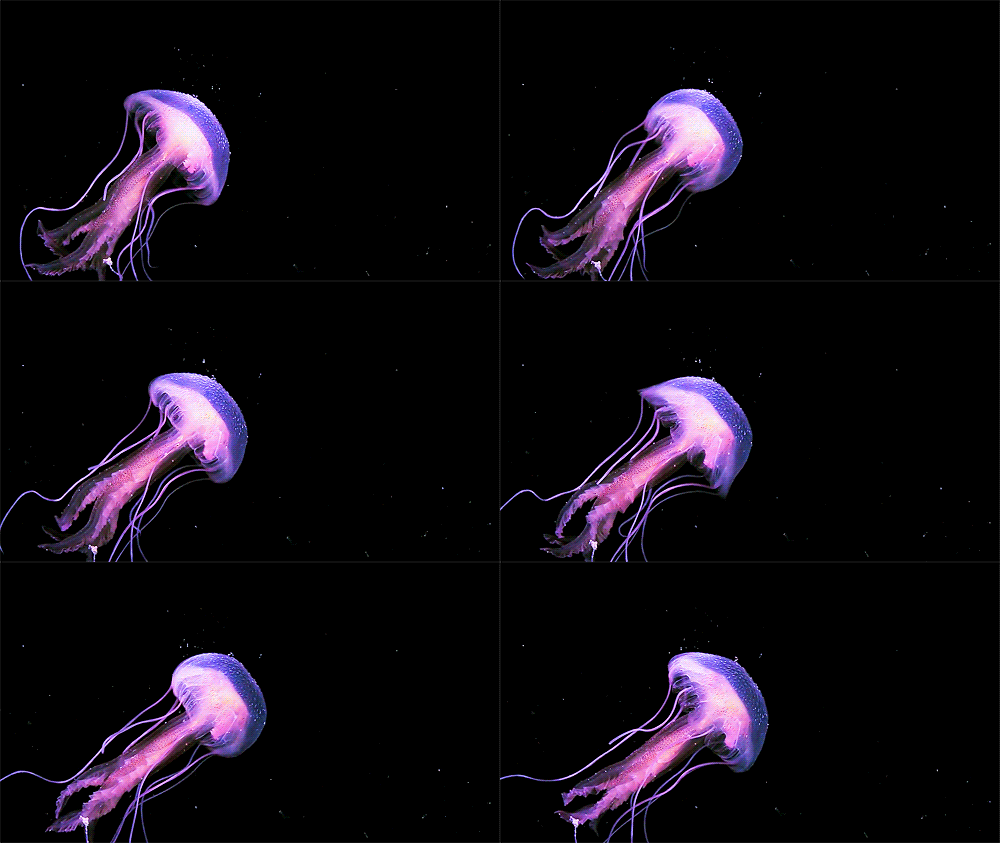
Medusa are mobile, they use simple ring contractile tissue.
Picture

Sensory/Nervous System

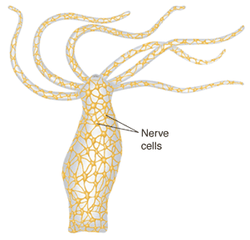
Do not have a nervous system but instead, have nerve nets that are made of sensory neurons. These neurons can react to different stimuli by sending signals to other regions of the body.
​
Picture

Excretion/Gas Exchange/Circulation

All are done through means of simple diffusion. Ammonia waste and gas diffuse out of the body and into the water.
Picture

Support

Cnidarians have a hydrostatic skeleton where the muscles use the water to enable movement and gain support.
Picture

Feeding/Digestion

These animals have a gastrovascular cavity where digestion takes place. They have an incomplete gut, so there is only one way out - through the mouth.
Picture

Reproduction

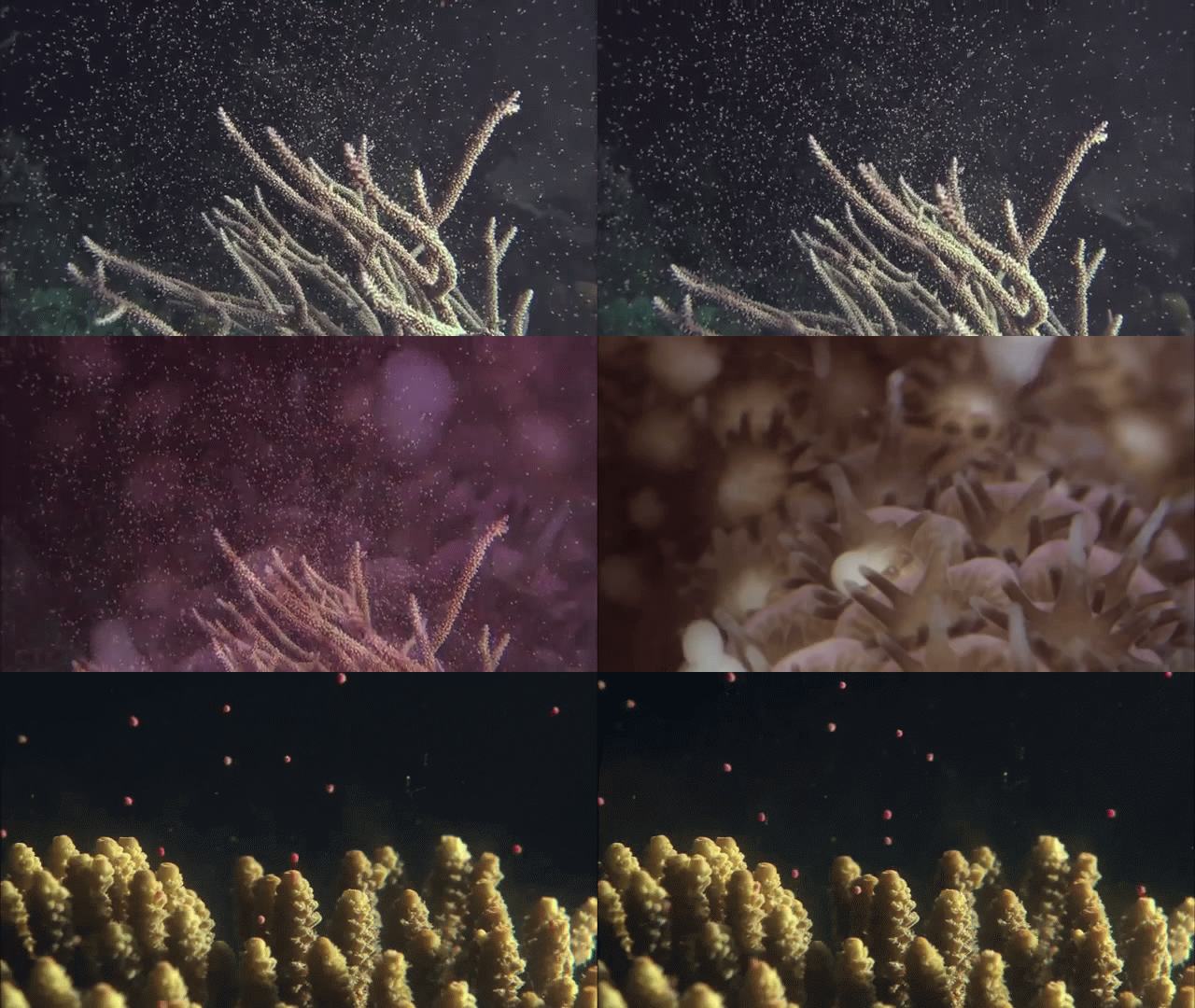
Asexual reproduction by budding and sexual reproduction by egg and sperm. Larva swim until it finds a good spot, becomes a polyp, and grows normally until it absorbs its tentacles and splits. Adults have gonads and gastroderms. They release ova and sperm into the water during the breeding season.
Picture

Distinguishing Features

Bodies may be either bell-shaped or vase-shaped.
  • Bell-shaped medusa is specialized for swimming
  • Vase-shaped polyp is specialized for sessile existence.
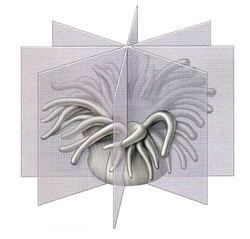
The bodies are constructed of two cell layers - outer epidermis and inner gastrodermis. In between the two layers is a jelly-like material called mesoglea. The center of the body is hollow which has a single opening, or mouth. Surrounding the mouth are numerous flexible extensions called tentacles. Some Cnidarians also have cnidocytes, posing filled stinging structures. All have radial symmetry.

Picture

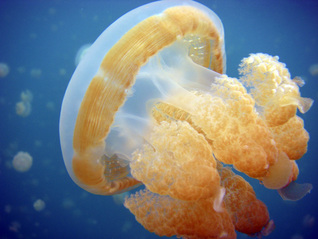
Class Scyphozoa

  • True Jellyfish
    • live their lives primarily as medusa
    • the polyp is only a small larval stage

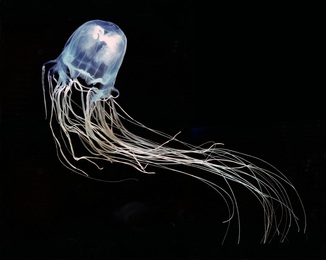
Class Cubozoa

  • Box Jellies
    • good predators and feed primarily on fish
    • live in tropical areas and have box-shaped bells
Picture

Picture

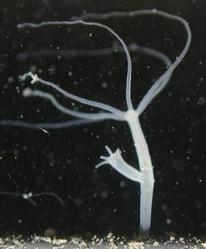
Class Hydrozoa

  • Hydra
    • ​they are not true jellies
    • colonial cnidarians
    • Portuguese man-of-war is an example of a Hydrozoan colony

Class Anthozoa

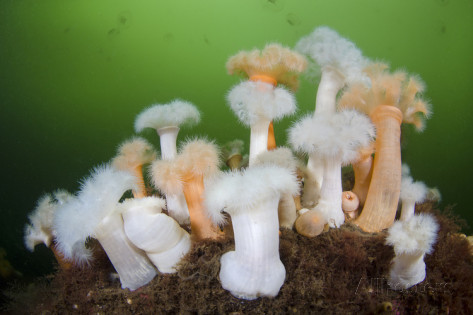
  • Corals and Anemones
    • only display the poly stage
    • have a central body surrounded by tentacles
    • many species are colonial
Picture
Powered by Create your own unique website with customizable templates.
  • Zoology
  • Phylum Porifera
  • Phylum Cnidaria
  • Phylum Platyhelminthes
  • Phylum Nematoda
  • Phylum Annelida
  • Phylum Mollusca
  • Phylum Echinodermata
  • Class Agnatha
  • Class Chondrichthyes
  • Class Osteichthyes
  • Class Amphibia
  • Class Sauropsida
  • AICE Marine Biology
  • Deep Ocean/Benthic Zone
  • Oysters
  • Ecotourism